



Retinol speeds up skin renewal to smooth fine lines and refine texture, but it can leave skin dry and irritated, especially in winter. Peptides support your skin’s own collagen to improve firmness, and they’re gentle enough for sensitive skin and everyday use. You don’t always have to choose. At Ella & Jo, we often recommend peptides morning and night, with retinol a few evenings a week if your skin enjoys it.
Fine lines appear, skin feels a little less bouncy than it used to, and suddenly everyone seems to be talking about retinol and peptides. They’re two of the questions we hear most often at Ella & Jo, and it’s easy to see why. Both promise smoother, firmer-looking skin, but they work in completely different ways. Choosing the right one, or knowing how to use both, can save you a lot of trial, error and irritated skin.
What is the difference between peptides and retinol?
The simplest way to think about it: retinol resurfaces and peptides support.
Retinol speeds up how quickly your skin sheds old cells and makes new ones. That’s why it’s so effective for texture and fine lines, and also why it can cause flaking and sensitivity while your skin adjusts.
Peptides don’t push your skin to work faster. They send signals that encourage it to keep making collagen, the protein that keeps skin firm and springy. There’s no peeling, no adjustment period and no need to avoid them in the morning.

| Retinol | Peptides | |
|---|---|---|
| How it works | Speeds up skin cell renewal | Supports your skin's own collagen |
| Best for | Fine lines, texture, breakouts, uneven tone | Firmness, elasticity, fine lines |
| Irritation | Common at first | Very rare |
| When to use | Evenings only | Morning and night |
| Sensitive skin | Use with caution | Generally well tolerated |
| In winter | Can feel drying | Comfortable all year |
| Results seen | Usually 8–12 weeks | Usually 4–8 weeks |
| Pregnancy | Usually avoided | Check with your GP or midwife |

What does retinol do for your skin?
Retinol is a form of vitamin A, and it’s one of the most studied ingredients in skincare. Used consistently, it helps soften the look of fine lines, smooth rough texture, fade uneven tone and keep pores clear.
The trade-off is that retinol asks a lot of your skin. Dryness, tightness and flaking are common in the first few weeks while your skin gets used to it. It also makes skin more sensitive to the sun, so it belongs in your evening routine, with a broad-spectrum SPF every morning, even on grey Irish days. Here’s why sunscreen still matters in winter.
If you’re thinking about starting, our guide to the right way to use retinol in your skincare routine covers how to introduce it slowly so your skin stays happy.
What do peptides do for your skin?
Peptides are short chains of amino acids, the building blocks of proteins like collagen and elastin. As we get older, collagen production gradually slows, and it drops more quickly during perimenopause and menopause. That’s when skin starts to look less firm and fine lines become more noticeable.
Peptides help by encouraging your skin to support its own collagen, so the result is firmer, smoother, more resilient-looking skin over time, without the sensitivity. They’re gentle enough for delicate areas too, like around the eyes, where retinol can often sting.
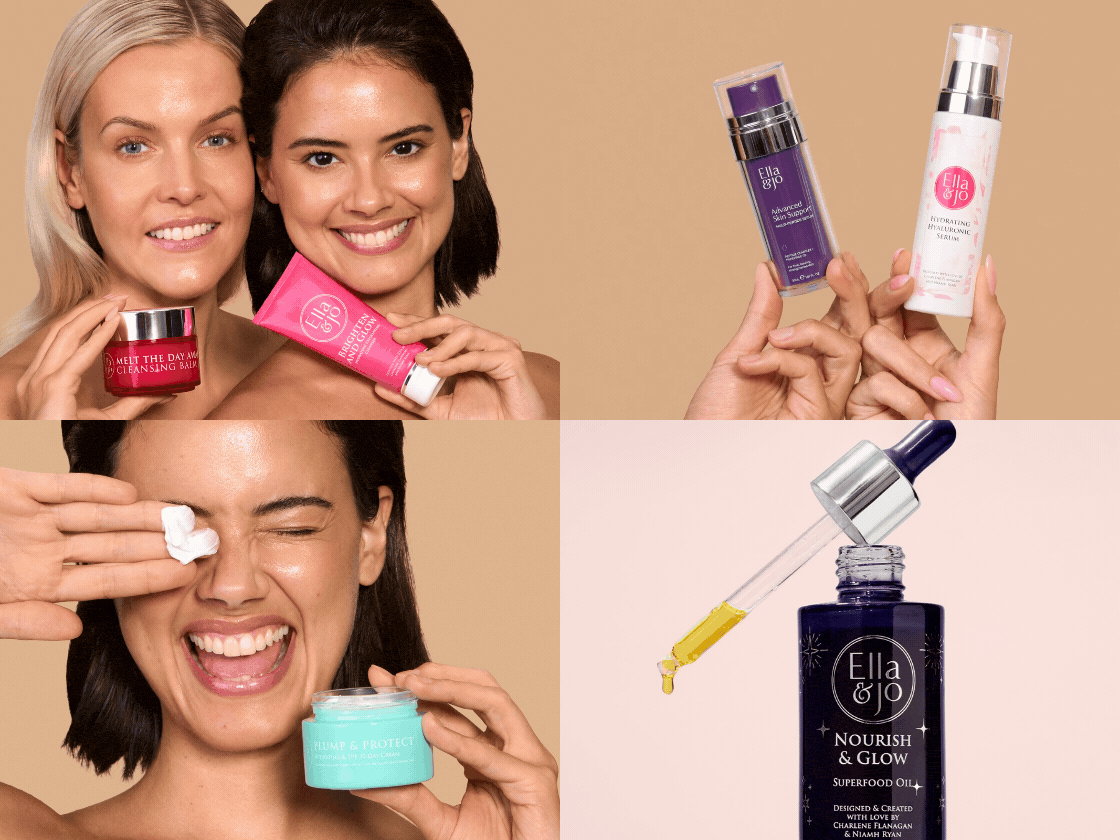
That’s exactly why we created our Advanced Skin Support Multi-Peptide Serum. It blends a multi-peptide complex with Tripeptide-29 for collagen support, niacinamide (vitamin B3) to strengthen and calm, and squalane for lightweight moisture. It’s suitable for all skin types and layers easily over your other serums, morning and night.
Want to go deeper on the science? Read everything you need to know about peptides in skincare.

Which is better for fine lines, peptides or retinol?
Neither is better across the board. It depends on your skin and how much it can handle.
Retinol has the longer research track record for fine lines and texture, and it’s a great option if your skin is resilient and you’re happy to ease into it. Peptides take a gentler route, supporting firmness and elasticity so fine lines look softer over time. For many people, especially in winter or with sensitive skin, peptides give visible results without the downtime. That consistency is what makes the real difference long term.
Should you choose peptides, retinol or both?
1. Choose peptides
Your skin is sensitive, dry or rosacea-prone, you’re new to anti-ageing skincare, or you want something you can use every morning and night without worrying about irritation. Peptides are also a gentle option if you’re pregnant or breastfeeding, but check with your GP or midwife first.
If redness is a concern, our guide to rosacea and sensitive skin explains how to build a calm routine. If your skin feels tight or stings this winter, repair your winter skin barrier first.
2. Choose retinol
Your skin is resilient and your main concerns are texture, breakouts or uneven tone. Start slowly, two or three nights a week, and always wear SPF the next day. If you’d like the smoothing benefits with less irritation, bakuchiol is a plant-based retinol alternative that’s kinder to sensitive skin.
3. Use both
You want the best of both worlds and your skin is comfortable with retinol. Peptides help support and strengthen the skin while retinol does its resurfacing work, which can make retinol much easier to tolerate. This pairing works especially well for perimenopausal and menopausal skin, which needs firmness and comfort at the same time. If that sounds familiar, our guide to menopausal skincare has more on caring for skin through hormonal changes.

How do you add peptides and retinol to your routine?
Here’s a gentle anti-ageing routine that works well through the colder months.
Morning
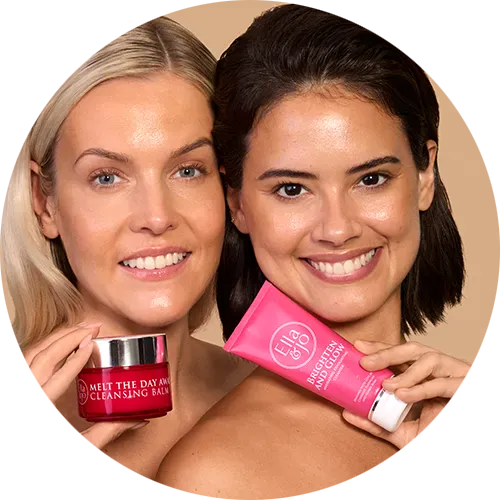
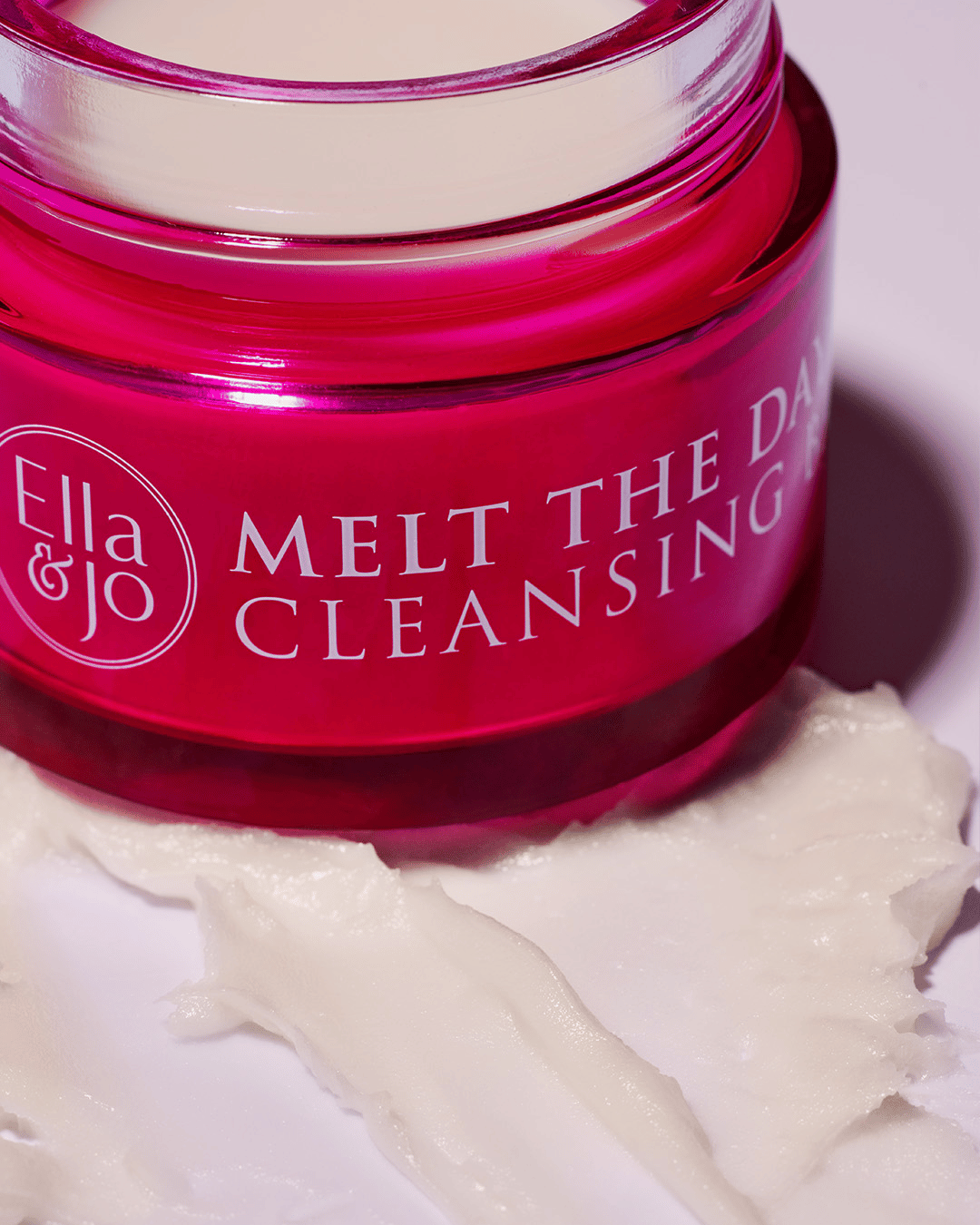
- Cleanse: Massage in Melt the Day Away Cleansing Balm and rinse with lukewarm water.
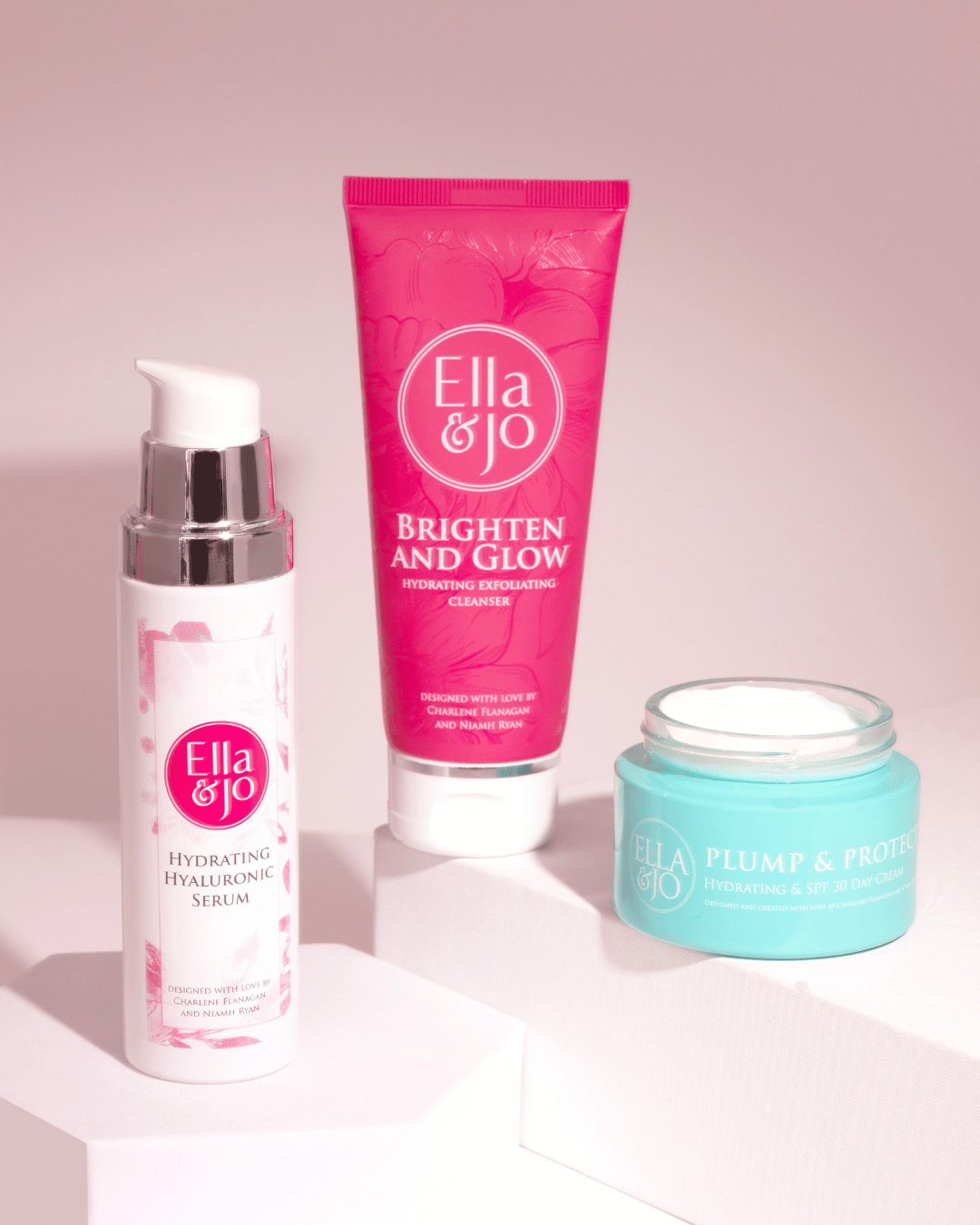
- Hydrate: Apply our Hydrating Hyaluronic Serum, which also contains Matrixyl 3000, a peptide complex, for an extra boost.
- Support: Follow with the Advanced Skin Support Multi-Peptide Serum.
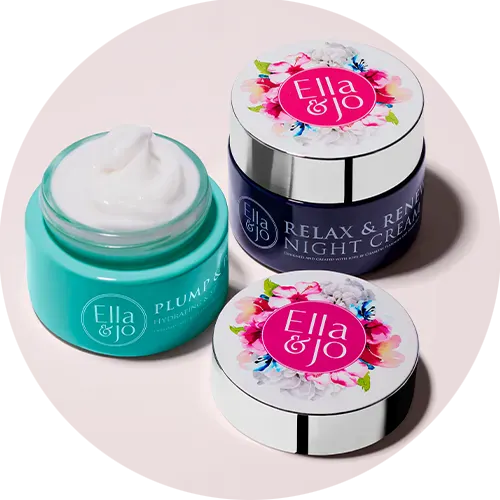
- Protect: Finish with Plump & Protect SPF 30 Day Cream.
Evening
- Double cleanse: Melt the Day Away lifts makeup, SPF and the day’s grime.
- Treat: Use your retinol on retinol nights, or Advanced Skin Support Serum on the others.
- Nourish: Lock everything in with Relax & Renew Night Cream.
- Seal (optional): Press two or three drops of Nourish & Glow Superfood Oil over the top on extra-dry nights.
Not sure whether your skin needs more hydration or more moisture? Our guide to hydration vs moisturising explains the difference. Or browse the full fine lines and wrinkles collection to build the routine that suits you.

Frequently Asked Question
Should I apply peptides before or after retinol?
Apply retinol first on clean, dry skin, then your peptide serum, then moisturiser. If your skin is sensitive, keep them separate: peptides in the morning and retinol at night.
Should I start with peptides or retinol?
If you’re new to anti-ageing skincare or your skin is sensitive, start with peptides. They’re gentle and need no adjustment period. You can add retinol later, once your routine feels settled.
Can peptides replace retinol?
Not exactly, because they do different jobs. Retinol has more research behind it for texture and fine lines. Peptides are a great alternative if retinol irritates your skin or you’re avoiding it during pregnancy.
Are peptides safe during pregnancy?
Peptides are generally considered a gentle option, while retinol is usually avoided during pregnancy and breastfeeding. Every pregnancy is different, so check with your GP or midwife before starting a new product. Our pregnancy-safe skincare guide has more advice.
Is retinol a peptide?
No. Retinol is a form of vitamin A that speeds up skin renewal. Peptides are short chains of amino acids that help support collagen. They work differently, which is why they pair so well.
What shouldn’t you mix with retinol?
Avoid using retinol on the same night as exfoliating acids (AHAs and BHAs) or strong vitamin C, as the combination can irritate. Peptides, hyaluronic acid and gentle moisturisers are all safe to pair with it.
How long do peptides take to work?
Most people notice skin feeling smoother and more comfortable within a few weeks. Visible changes in firmness usually take 4–8 weeks of consistent daily use.