


Why Is It Important to Wear Sunscreen in the Winter?
We live in Ireland a country that knows more about grey skies than glaring sun, and where plenty of us are topping up our Vitamin D. So, it's a fair question why on earth would you need SPF in autumn and winter, when there's barely a bit of sun to be seen?
Skincare experts have been saying it for years you need a broad-spectrum SPF all year round. But does it really make that much of a difference when the sun's gone into hiding? In short yes. Here at Ella & Jo, protecting your skin is at the heart of everything we do so let us walk you through exactly why winter SPF matters, and how we make it effortless.

Do you really need SPF in winter?
You do and it comes down to the kind of UV that keeps reaching your skin long after summer has packed up and gone.
Cold weather and cloud don't switch UV off. Most UVA more on what that is in a second sails straight through cloud, and through glass too. Your walk to the Luas, the school run, that spot by the office window you always end up sitting in your skin is catching UVA the whole time, no matter what the forecast says.
Most of us know we should be wearing SPF. We just… don't always do it. So, take this as your nudge. Our whole SPF range is designed to make it a two-second job rather than a faff.

UVA vs UVB: What's reaching your skin?
Here's the "in a second" bit we promised there are two types of UV that matter for your skin, and they behave very differently once the seasons turn:
-
UVB is the burning one, it's what turns you pink on a bright day, and it genuinely does ease off through the Irish winter.
-
UVA is the ageing one, it sinks far deeper into the skin, it's the driver behind fine lines, loss of firmness and pigmentation, and unlike UVB it stays at roughly the same strength all year round. It also passes straight through cloud and glass like they're not even there.
So, while winter takes the sting out of UVB, UVA just keeps going regardless that's exactly why "sure there's no sun" doesn't get you off the hook and why the one word to look for on any SPF is broad-spectrum, meaning it shields you from both rays.
Key Benefits of Wearing Sunscreen in Winter
-
Slows visible ageing daily SPF shields the collagen and elastin that keep skin firm and bouncy, helping to hold off fine lines and loss of firmness.
-
Fends off pigmentation year-round UVA is a major driver of dark spots and uneven tone, so consistent protection keeps things even.
-
Lowers your skin cancer risk the single most effective daily habit for long-term skin health in a country where skin cancer is the most common cancer.
-
Protects your skincare investment stops UVA quietly undoing the work of your retinol, vitamin C and acids.
-
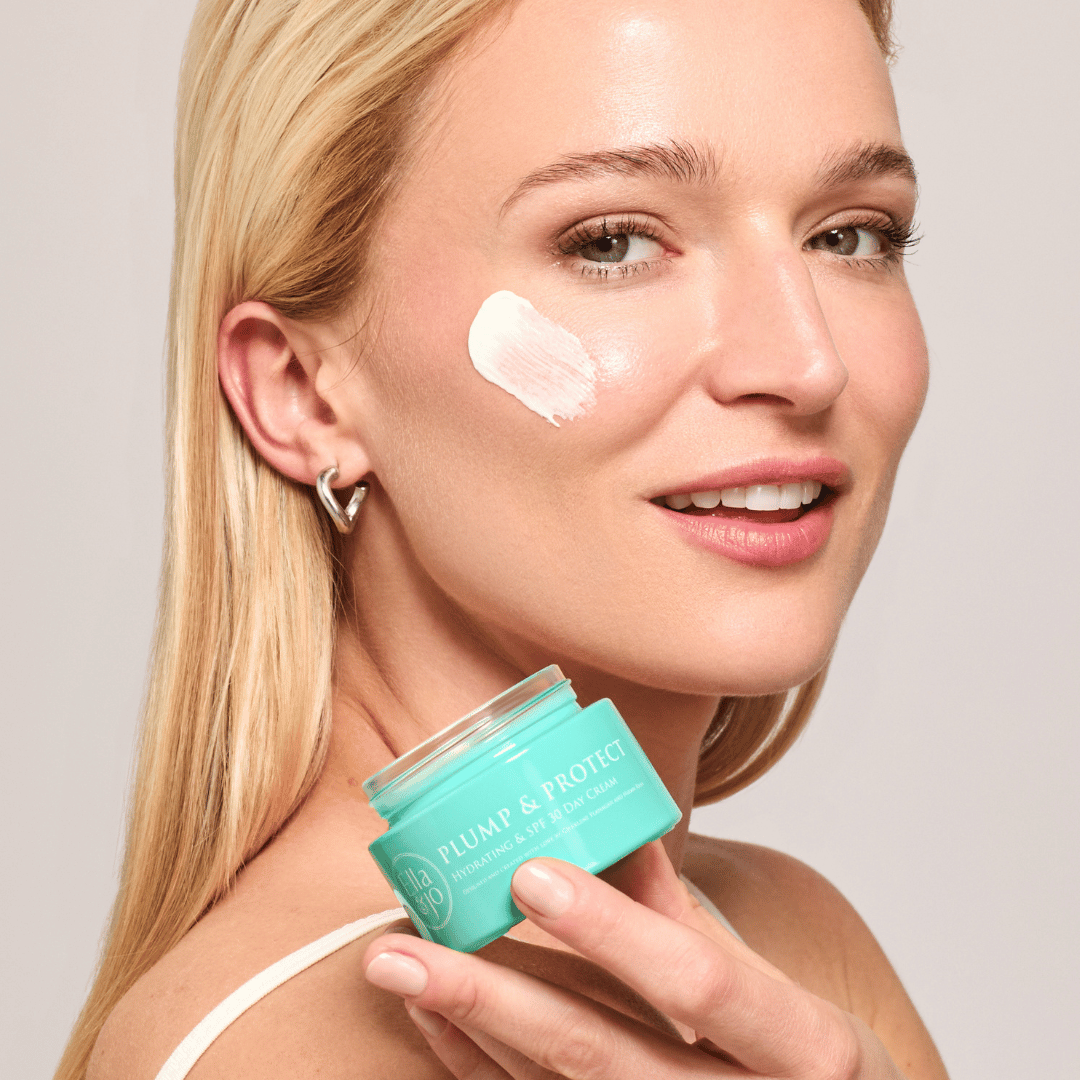
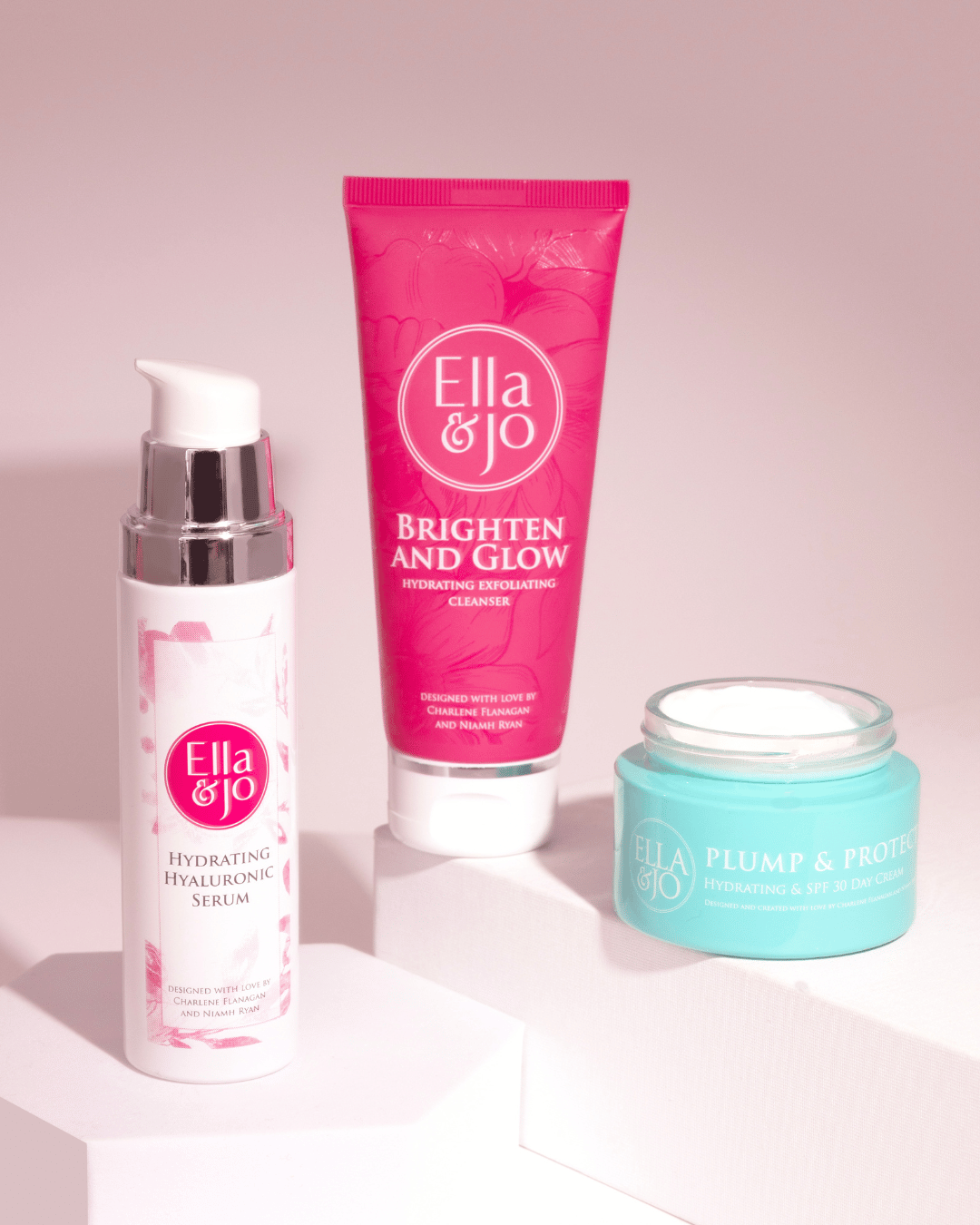
Guards against blue light screen glare adds up, and our Plump & Protect Hydrating Day Cream – SPF 30 has broad-spectrum and blue-light defence covered in one step.
-
Adds winter hydration the same day cream tackles the tight, dry skin that central heating and cold winds bring on, while keeping you protected.
-
Makes topping up effortless a quick go of the Invisible SPF Mist – SPF 30 refresh's protection over makeup, no white cast or stickiness.

Is the SPF in my makeup enough on its own?
We hear this one constantly, and we get it it feels like enough but there are two catches:
-
The quantity to get the SPF printed on your foundation, you'd need to trowel on far more than anyone realistically wears think a full teaspoon for your face alone. Most of us apply a fraction of that, which waters the protection right down.
-
The fade SPF wears off across the day, so your morning application isn't a force field until bedtime.
The fix isn't fussy, though our Invisible SPF Mist – SPF 30 is built for exactly this. A quick mist straight over makeup no white cast, no stickiness, no smudged foundation so topping up at your desk or before the school pick-up takes all of two seconds.
How to apply sunscreen correctly?
Even the best SPF only works if you use it properly. A few simple habits make all the difference:
-
Use enough roughly two fingers' worth for your face and neck. Skimping is the most common mistake, and a thin layer gives you far less protection than the label promises.
-
Make it your last skincare step after your serum and moisturiser, before makeup. If you're using our Plump & Protect Hydrating Day Cream – SPF 30, it doubles as your moisturiser, so it's one step instead of two.
-
Don't forget the easily missed bits ears, hairline, neck and the backs of your hands all catch UVA too.
-
Give it a few minutes to settle before layering makeup on top, so nothing pills or slides.
-
Top up through the day every two hours if you're outdoors. A quick go of the Invisible SPF Mist – SPF 30 refresh's protection straight over makeup, no smudging.
-
Wear it even indoors near windows UVA passes through glass, so your desk or car seat still counts.
Winter doesn't switch UV off. UVA is with us all year through cloud, through glass, quietly ageing your skin whether you feel the sun or not so a daily broad-spectrum SPF earns its spot from January right through to December. Make it easy, make it a habit, and your future skin will thank you for it.
Ready to make it your two-second step? Shop the SPF range or start with the Plump & Protect Day Cream SPF 30.

Frequently Asked Questions
1. Do I really need SPF on a cloudy day in Ireland?
Yes. Cloud blocks surprisingly little UV a large chunk still gets through and UVA, the ageing kind, is barely affected by grey skies. If it's daylight, it counts.
2. Is the SPF in my foundation enough on its own?
Usually not, you'd need to apply far more than most people wear to reach the SPF on the label. Use a dedicated SPF underneath, then top up with a mist over the top.
3. Does UV really come through windows?
UVA does. Standard glass blocks most UVB but let's UVA through so your commute, your drive and your seat by the office window all quietly add up.
4. Do I need to reapply if I'm mostly indoors?
If you're well away from windows, one good morning application will largely see you through. Near glass or heading out, top up every couple of hours a mist makes it painless.