
Menopause Skincare: Everything You Need to Know
Menopause is one of the biggest transitions a woman's body goes through, and your skin is often the first place you'll notice it. One morning your foundation sits differently, your cheeks feel tighter, or the cleansers and creams you've trusted for years suddenly don't feel right anymore.
If any of this sounds familiar, you're not alone and there's nothing wrong with your skin. It's simply changing, and it needs you to change with it.
As oestrogen levels drop during perimenopause and menopause, your skin loses some of its natural ability to hold onto moisture, repair itself and stay calm. The result? Dryness, sensitivity, redness, hormonal breakouts and a loss of that natural plumpness and glow. The good news? Menopausal skin isn't difficult skin it's changing skin, and with the right routine it can stay calm, hydrated and confident through every stage.
That's exactly what this guide is for we'll walk you through the symptoms, the ingredients that genuinely help, and a complete menopause-friendly routine built around our Ella & Jo skincare range and the gentle, barrier-supporting products in ours skincare collection.

What Is Menopause Skincare?
Menopause skincare is a routine adapted to support the changes your skin goes through during perimenopause, menopause and beyond. It's not a new product category it's about adjusting your ingredients and habits to work with your changing skin, not against it.
As oestrogen levels drop, collagen production slows, the skin barrier weakens and moisture escapes more easily. That's why so many women experience dryness, tightness, sensitivity, redness and hormonal breakouts often all at once. The most effective menopause skincare is usually the simplest. A gentle cleanser, a hydrating serum, a ceramide-rich moisturiser and a daily SPF will do far more than a cabinet full of strong actives.
Calming ingredients like niacinamide, hyaluronic acid and chamomile help bring reactive skin back into balance Hormonal breakouts during menopause are common too, but they need a gentler approach than teen acne awareness and a gentler routine can help clear spots without damaging your barrier.

What Happens to Your Skin During Menopause & Perimenopause?
As oestrogen levels begin to fall during perimenopause and menopause, your skin starts to behave differently almost overnight. Oestrogen plays a huge role in keeping skin plump, hydrated and resilient so when it drops, your skin loses some of its natural ability to hold moisture, repair itself and stay calm.
Underneath the surface, a lot is happening at once. Collagen production slows down studies suggest women can lose up to 30% of their skin's collagen in the first five years of menopause alone so skin can feel thinner, less firm and more lined almost overnight. The skin barrier weakens too, making it harder to lock in moisture and easier for irritants to get in, which leads to that tight, sensitive, easily flushed feeling. Oil production also shifts, which is why some women experience dryness in places they never used to while still battling hormonal breakouts along the chin and jaw.
Moreover, cell turnover slows down, so skin can look duller and take longer to recover from blemishes or sun exposure. Hot flushes and night sweats can also trigger redness, dehydration and reactive flare-ups on the surface.
The result is a combination of symptoms that can feel completely new even if you've had the same skin for decades. Understanding why this is happening is the first step to building a routine that genuinely works for your skin right now.

Key Skin Changes During Menopause
Every woman's experience is different, but these are the most common changes to look out for and knowing what's happening helps you choose the right ingredients to support your skin:
-
Dryness and tightness skin feels less plump, with fine lines more visible
-
Increased sensitivity and redness products you've used for years may suddenly irritate
-
Hormonal breakouts often along the chin, jawline and neck
-
Loss of firmness and glow as collagen and cell turnover slow down
-
Reactive flushing triggered by heat, wine, caffeine or stress
If you're seeing one or more of these, it's a sign your routine needs a gentle reset not a complete overhaul. Score each symptom out of 10 to work out where to focus first, then match it with the right ingredients to bring your skin back into balance.

Skincare Routine Essentials
A menopause-friendly routine is built around hydration, barrier repair and protection. Keep it simple, gentle and consistent.
Morning
-
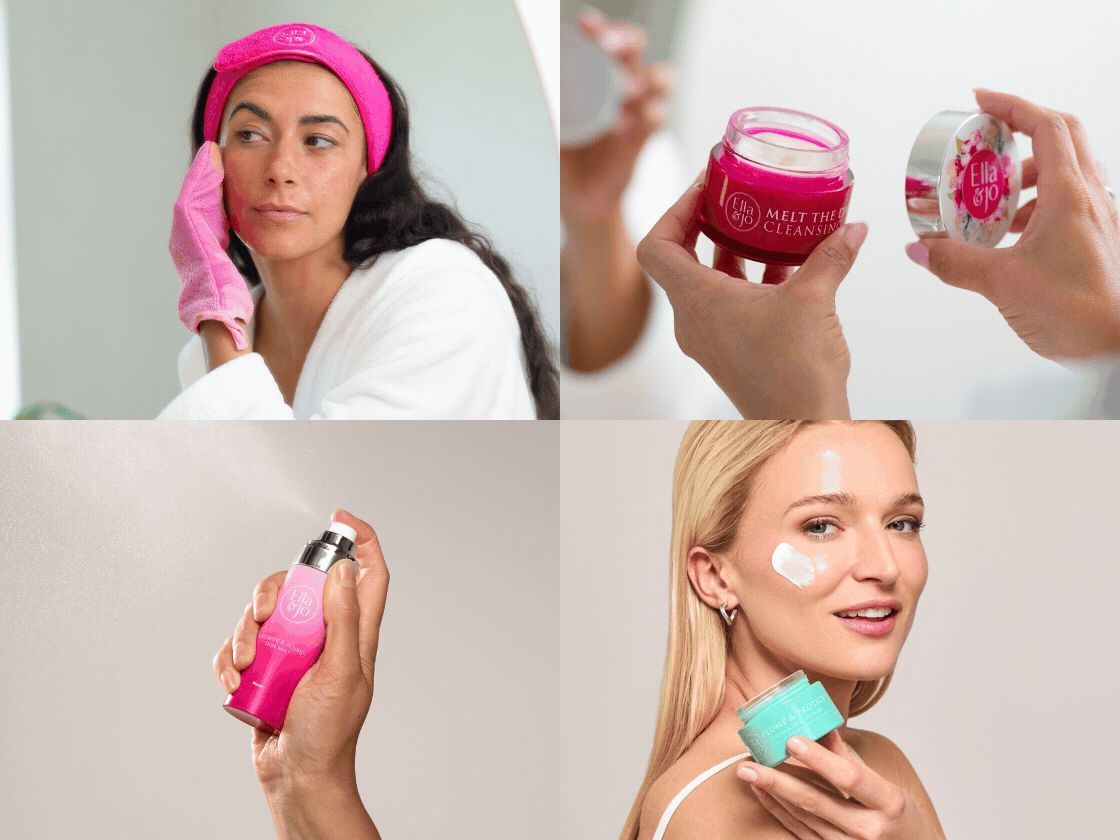
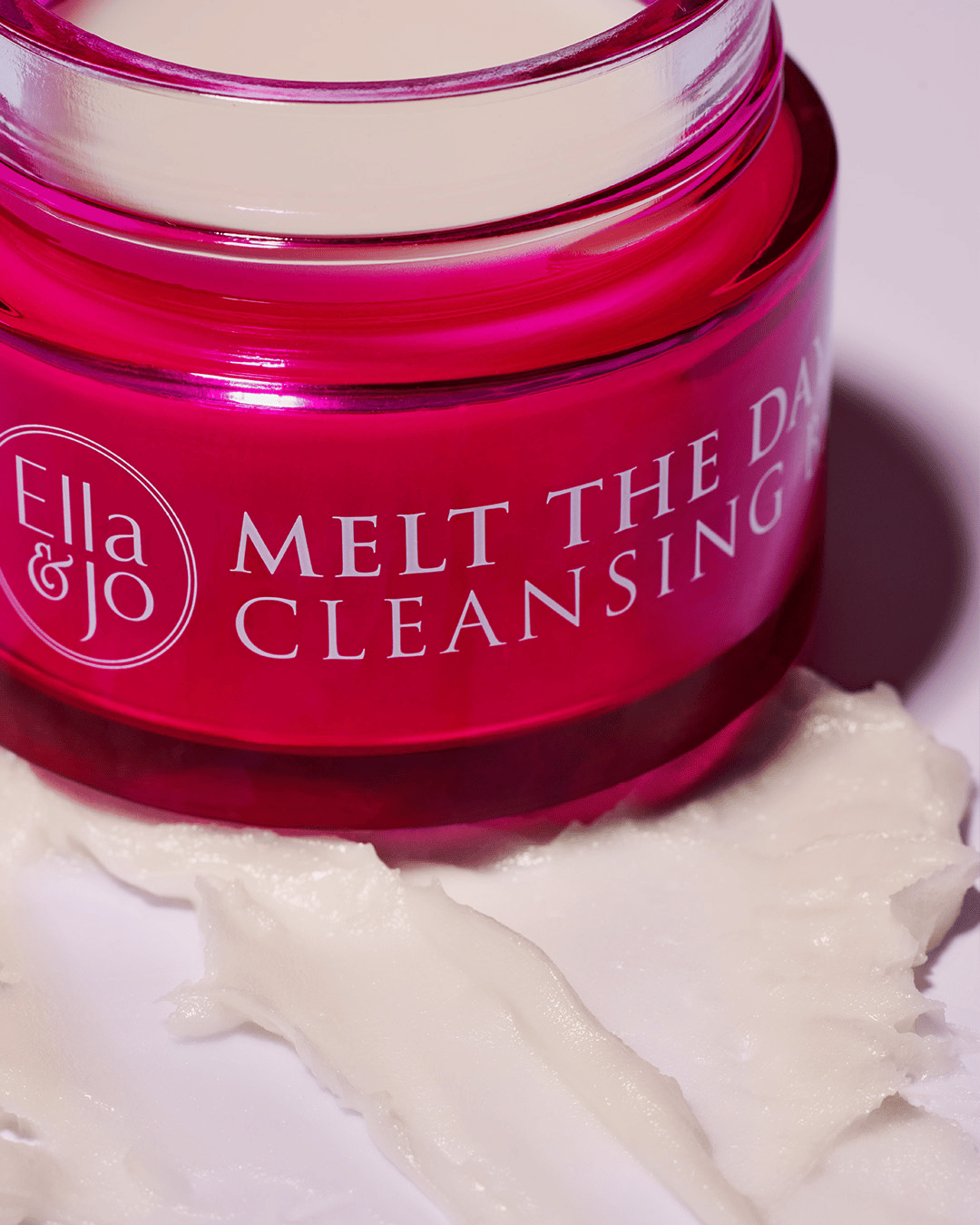
Cleanse with Melt the Day Away Cleansing Balm nourishes while it cleanses, never strips
-
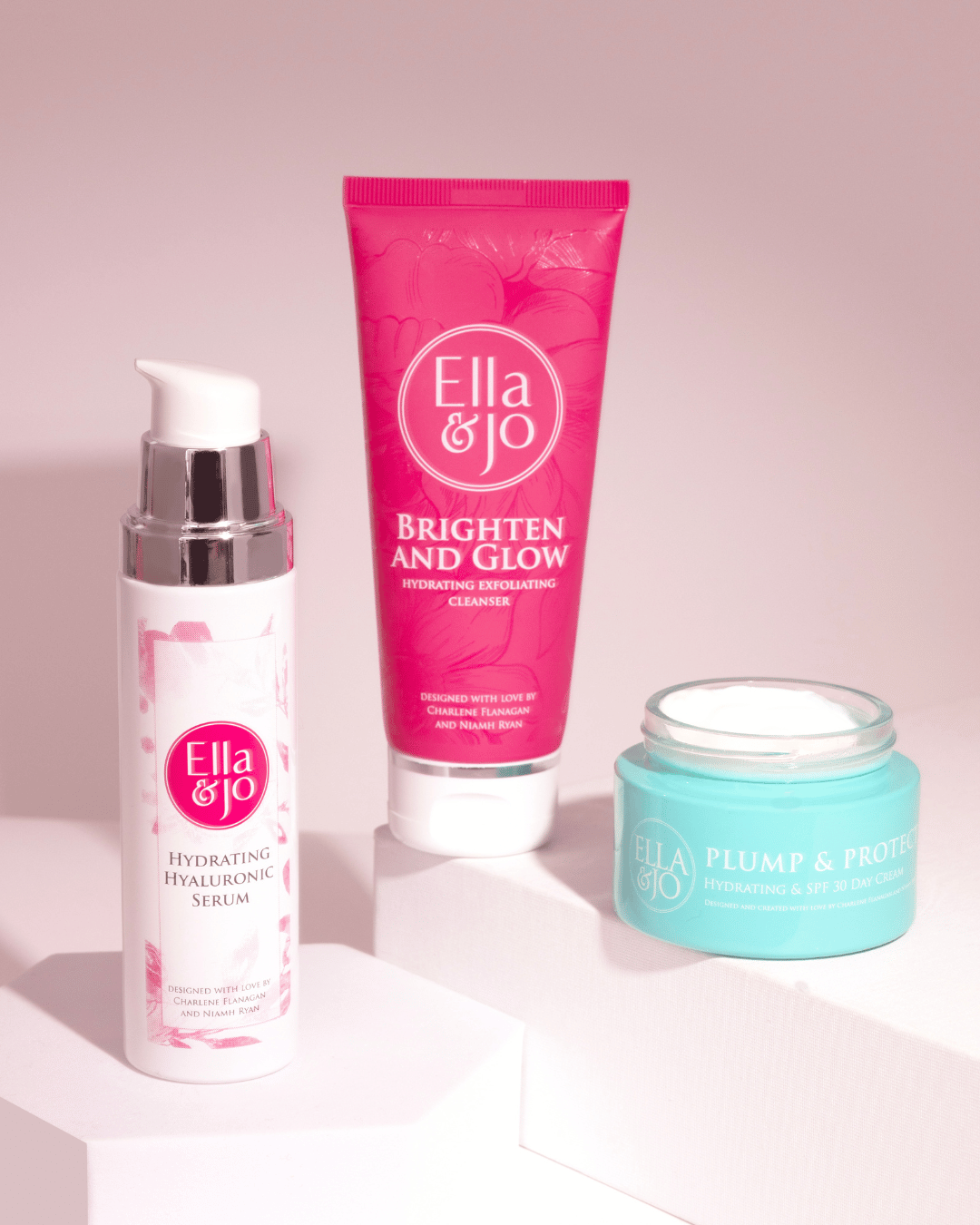
Hydrate with the Hydrating Hyaluronic Serum deep moisture for tight, dehydrated skin
-
Refresh with the Hydrate & Plump Skin Mist cool's redness and hot flushes instantly
-
Protect with Plump & Protect SPF 30 locks in moisture with ceramides and shields against pigmentation
Evening
-
Cleanse with the Melt The Day Away Cleansing Balm (use as a micro-mask 2–3 nights a week)
-
Hydrate with the Hydrating Hyaluronic Serum
-
Nourish with Relax & Renew Night Cream rich overnight repair for dry, mature skin
-
Weekly add-in is The Miracle Mask for a gentle glow boost.

Active Ingredients That Support Menopausal Skin
The right ingredients can transform how menopausal skin looks and feels. Focus on these:
-
Hyaluronic acid draws water deep into the skin for instant hydration and plumpness. Found in our Hydrating Hyaluronic Serum.
-
Ceramides rebuild and reinforce the skin barrier, helping skin hold onto moisture. Found in Plump & Protect SPF 30.
-
Niacinamide calms redness, evens tone and strengthens the barrier without irritation.
-
Retinol boosts cell turnover, softens fine lines and restores glow (introduce gently and slowly on menopausal skin)
-
Vitamin C brightens dull, lacklustre skin, evens tone and supports collagen production for a firmer, more radiant complexion
-
SPF the single most important anti-ageing ingredient at every stage, but especially now, when skin is more prone to pigmentation and sun damage.
Keep it gentle. Strong retinols and acids often do more harm than good while your skin is adjusting reintroduce them slowly, only once your barrier feels strong again.
Ready to support your skin through every stage of menopause? Get the full Ella & Jo skincare range or take our AI Skin Quiz for a personalised recommendation.

FAQs
1. What is the best skincare routine for menopausal skin?
The best menopause skincare routine is gentle, hydrating and barrier supporting. Cleanse with a nourishing balm, layer a hyaluronic serum, lock in moisture with a ceramide-rich day cream and SPF in the morning, and use a rich night cream in the evening.
2. At what age does menopausal skin usually start to change?
Skin changes often begin during perimenopause, which can start in your early to mid-40s. Menopause itself typically occurs between 45 and 55, but skin shifts like dryness, sensitivity and loss of firmness can begin several years before periods stop.
3. What ingredients are best for menopause skincare?
The most effective ingredients for menopausal skin are hyaluronic acid for hydration, ceramides for barrier repair, niacinamide for calming redness, peptides and retinol for firmness, vitamin C for glow, and a daily SPF for protection against pigmentation and sun damage.